Your New Bastrop Home's HVAC System: A Complete Inspection Checklist
Buying a new home is exciting. But once the boxes are unpacked and the adrenaline settles, one of the most important things you can do is take a serious look at what's keeping that home comfortable — and what it's going to cost you to keep it that way.
In Central Texas, your HVAC system isn't optional. From the brutal Bastrop summers that push 100°F+ for weeks at a time to the surprisingly cold snaps we get in January, your heating and cooling system works hard year-round. Understanding what you have, what condition it's in, and what to watch out for can save you thousands of dollars and a lot of misery down the road.
This is your complete new home HVAC checklist Bastrop TX homeowners need — covering every system type, ductwork, and the questions you should be asking before you sign anything.
First Things First: Know What System You Have
Before anything else, identify what type of HVAC system is in the home. This changes everything — how you maintain it, what repairs cost, how efficient it is, and how long it will last. Here's a breakdown of the most common systems you'll encounter in Central Texas homes:
✅ Traditional Central AC + Gas Furnace
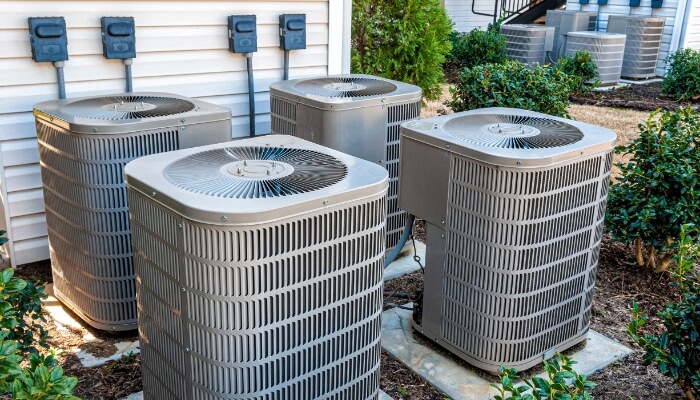
This is the classic split system — an outdoor condenser unit paired with an indoor air handler or furnace. The AC cools in summer, the furnace heats in winter, and air moves through ductwork throughout the house.
What to check:
- How old is the outdoor unit? Look for the manufacture date on the data plate (usually on the side of the unit). In Texas, most AC systems have a realistic lifespan of 12–15 years with proper maintenance — less if they've been neglected.
- How old is the furnace? Gas furnaces can last 18–25 years, but older units lose efficiency and can develop heat exchanger cracks — a safety issue, not just a comfort one.
- When was the last service or tune-up? Ask for maintenance records. A well-maintained system tells you a lot about how the previous owners treated the home.
- What refrigerant does it use? Systems manufactured before 2010 likely use R-22 (Freon), which is no longer produced and extremely expensive to recharge. If the system uses R-22, factor replacement into your budget.
- Is the system the right size for the home? An oversized unit short-cycles and leaves the home humid. An undersized one runs constantly and never catches up. If you're noticing uneven temperatures room to room, sizing may be the culprit.
Apply the $5,000 Rule: Multiply the unit's age by the cost of any needed AC repair. If the result exceeds $5,000, replacement is typically the smarter financial call.
✅ Heat Pump Systems
Heat pumps are increasingly common in Central Texas because they handle both heating and cooling in one unit — and they're highly efficient in our mild winters. Instead of generating heat, they move it: pulling heat out of your home in summer and pulling heat from outside air into your home in winter.
What to check:
- Is it a standard heat pump or a dual-fuel system? (More on dual fuel below.)
- Check the SEER2 rating — newer units are rated at 15+ SEER2. Older units under 13 SEER are significantly less efficient and will cost more to operate.
- Heat pumps have a reversing valve that switches between heating and cooling modes. Ask if it's been serviced recently — a failing reversing valve means you lose either heating or cooling.
- In very cold weather (below 35°F), standard heat pumps lose efficiency and switch to electric strip heating as a backup. Know whether the system has backup heat and what type it is.
- Look at the outdoor unit carefully — heat pumps look nearly identical to standard AC condensers. The data plate will confirm the system type.
- Check the age: heat pumps in Texas typically last 12–15 years. They work year-round (unlike a furnace that sits idle in summer), so they accumulate wear faster than a single-season unit.
✅ Dual Fuel Systems (Heat Pump + Gas Furnace)
Dual fuel is the best of both worlds — a heat pump handles heating when it's efficient to do so (temperatures above ~35-40°F), and a gas furnace kicks in for backup heat when it gets really cold. In Central Texas this setup is extremely cost-effective and comfortable.
What to check:
- Confirm both components — the heat pump outdoor unit AND the gas furnace — and check the age of each separately. They may not have been installed at the same time.
- Make sure the thermostat is compatible with and properly configured for dual fuel operation. A standard thermostat won't manage the switchover correctly.
- Verify the gas connection and that the furnace has been inspected recently — a heat exchanger inspection is especially important in any gas system. If you're considering a system swap, our heating installation team can walk you through your options.
- Ask about the balance point setting — this is the outdoor temperature at which the system switches from heat pump to gas heat. It should be set by a technician based on your local climate and utility rates.
- Dual fuel systems are more complex than either a standalone heat pump or furnace, so find out when each component was last professionally serviced.
✅ Ductless Mini Split Systems
Mini splits are wall-mounted indoor units connected to an outdoor compressor — no ductwork required. They're common in additions, garages, sunrooms, or homes without existing duct systems. You may find a whole home served by multiple mini splits, or just one or two units supplementing a central system.
What to check:
- How many indoor units (called "heads") are there, and which areas do they serve? Make sure every occupied space has adequate coverage.
- Mini splits have washable filters built into each indoor unit — check when they were last cleaned. Dirty filters on a mini split reduce efficiency dramatically and can cause the unit to ice up.
- Check the outdoor compressor unit for damage, debris, or rust — the same as you would with any outdoor HVAC equipment.
- Look at the refrigerant line set running between the indoor and outdoor units. It should be properly insulated and secured. Damaged or uninsulated line sets lose efficiency.
- Mini splits are typically very reliable and can last 15–20 years with proper care, but the indoor heads can develop drainage issues if not maintained. Check for any water staining on the walls below the units.
- Confirm the brand — Mitsubishi, Daikin, and Fujitsu are the top-tier brands. Off-brand mini splits can be harder to service and have shorter lifespans.
Don't Skip the Ductwork — It's the Part Nobody Talks About
The most overlooked part of any HVAC inspection is the ductwork, and it can be the most expensive surprise. In Central Texas, duct systems in attics face brutal conditions — 140°F+ attic temperatures in summer, moisture, and pest activity all take a toll.
What to look for:
- Duct age and material: Older homes may have flex duct that has deteriorated, collapsed sections, or connections that have simply come apart over time. Metal ductwork lasts longer but can develop leaks at joints and connections.
- Insulation: Ducts running through unconditioned attic spaces must be properly insulated. Uninsulated or poorly insulated ducts lose enormous amounts of conditioned air before it ever reaches the living space — a major efficiency killer in Bastrop summers.
- Leaks: According to the EPA, the average home loses 20-30% of conditioned air through duct leaks. Signs include rooms that never seem to cool down, high energy bills, and excessive dust. A professional duct leakage test can quantify exactly how much air you're losing.
- Sizing: Undersized ducts restrict airflow and force the system to work harder. Oversized ducts can cause pressure imbalances and uneven temperatures. If previous owners added rooms or closed off vents, the duct system may no longer be balanced properly.
- Pest damage: In rural Central Texas areas like Bastrop and surrounding communities, rodents can nest in and damage flex duct. If you see any signs of pest activity, get the ductwork inspected before assuming the HVAC system itself is the problem.
- Mold or musty odors: If the home smells musty when the air runs, suspect mold in the ducts or air handler. This is especially common in homes that sat vacant or had moisture issues — and a good indoor air quality solution can help address those issues at the source.
Check the Thermostat
It sounds simple, but the thermostat is worth a careful look:
- Is it a smart or programmable thermostat? If not, upgrading to an Ecobee, Nest, or Honeywell smart thermostat is a relatively inexpensive improvement that can meaningfully reduce energy bills — often paying for itself within the first year through smarter scheduling and remote control.
- Is it wired correctly for the system type? A standard thermostat on a dual fuel or heat pump system may not be configured properly. The wrong setup can cause your backup heat to run unnecessarily, driving up your electric bill all winter without you ever realizing why.
- Test every mode — heat, cool, fan — before you close on the home if possible. Listen for the system to actually engage in each mode. If the fan runs but the compressor doesn't kick on when you switch to cooling, that's a red flag worth flagging to your inspector.
- Check the thermostat's location. Is it on an exterior wall, in direct sunlight, or near a kitchen? Poor placement causes false temperature readings, which means the system runs more (or less) than it should — and your home never feels quite right.
- Look at the age and condition. A thermostat that's faded, cracked, or running on dying batteries is worth replacing, especially if it's wired into a newer or more complex HVAC system. Modern smart thermostats also integrate with indoor air quality sensors and humidity controls, giving you a much better picture of what's actually happening in your home.
The Full New Home HVAC Checklist at a Glance
Here's everything in one place to take to your walkthrough or home inspection:
The System:
- System type identified (central AC/gas, heat pump, dual fuel, mini split, or combination)
- Age of outdoor unit confirmed
- Age of indoor unit/furnace confirmed
- Refrigerant type confirmed (R-410A or R-32 = good; R-22 = budget for replacement)
- Last service date and maintenance records requested
- $5,000 Rule applied to any needed repairs
- System sized appropriately for the home's square footage
Ductwork:
- Duct material and age assessed
- Insulation on attic ducts confirmed
- No visible collapsed, disconnected, or damaged sections
- No signs of pest damage or mold
- Duct leakage test recommended if system is older than 10 years
Indoor Air Quality:
- Air filter checked — note the size and when it was last replaced
- No musty or burning smells when system runs
- UV purification or air scrubber system present? (Great bonus if so — ask about it)
- Humidity levels appropriate — in Central Texas humidity control matters as much as temperature
Controls:
- Thermostat compatible with system type
- Smart or programmable thermostat installed or budgeted
- All modes tested
When in Doubt, Get a Professional HVAC Inspection in Bastrop
A home inspector will catch obvious issues, but HVAC systems are complex enough that a dedicated inspection by a licensed HVAC technician is worth every penny — especially in Central Texas where you're going to be leaning on that system hard for 8+ months of the year.
At Centex Air & Heat, we offer new homeowner HVAC inspections that cover everything on this new home HVAC checklist Bastrop TX homeowners need and more. From AC installation options on aging systems to ongoing AC maintenance plans that keep everything humming, we'll tell you exactly what you have, what condition it's in, what it's going to cost to maintain, and whether any repairs or replacements should be factored into your budget before you move in.
No pressure. No upsell. Just an honest assessment from people who know Central Texas HVAC inside and out.
Centex Air & Heat proudly serves Bastrop, Smithville, La Grange, Elgin, McDade, Cedar Creek, Paige, Del Valle, and the surrounding Central Texas area.
Ready to experience the Centex Air & Heat difference? 👉 Schedule Your New Home HVAC Inspection Today or call us directly at 512-303-6060.